


Testing For Giftedness
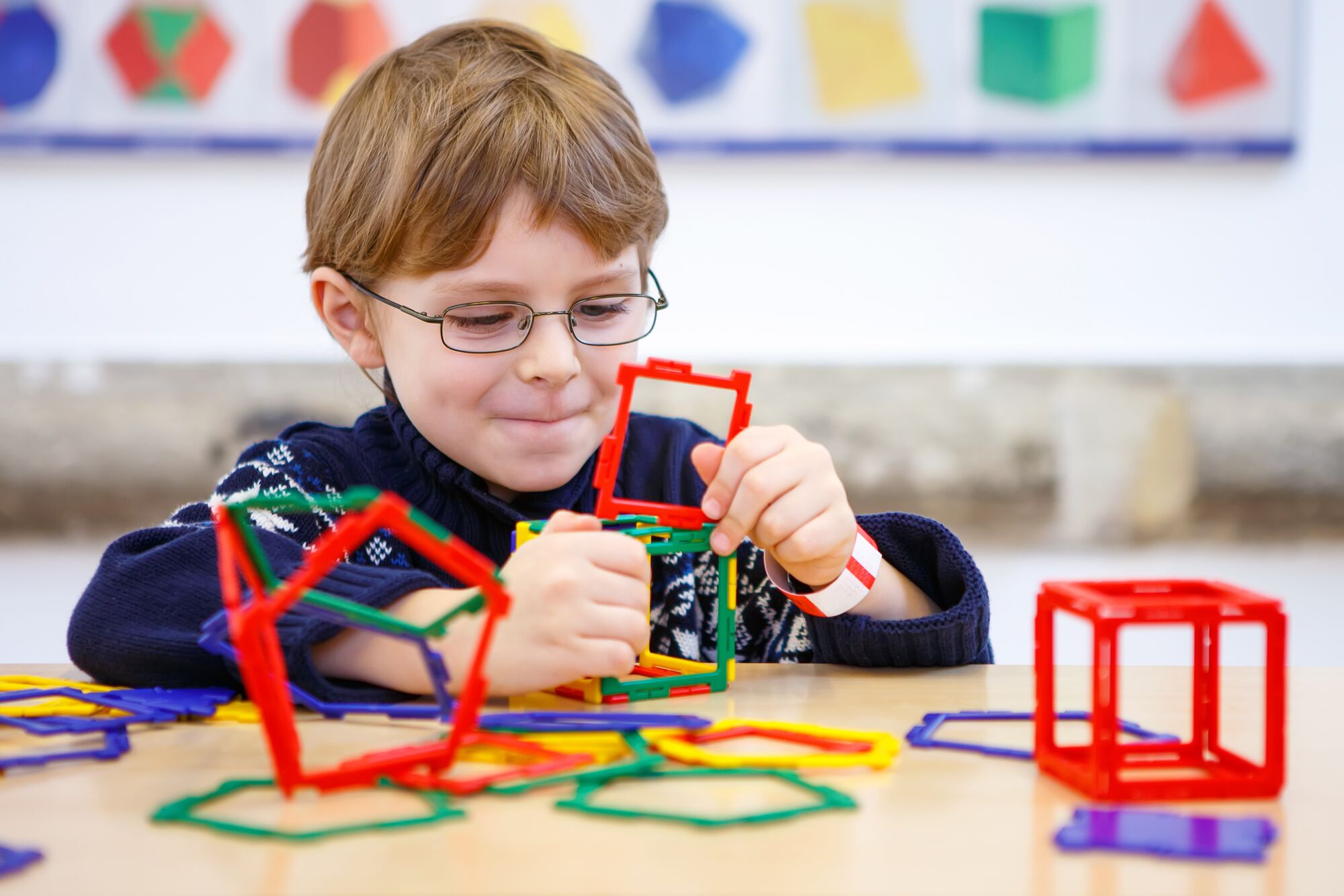
Evaluations for Giftedness
Determine whether your child meets the criteria for giftedness through a comprehensive evaluation. I provide gifted evaluations for families throughout New York City, Bergen County, and surrounding communities in New York and New Jersey. Following the evaluation, we’ll discuss the results and recommendations, including educational options and gifted programming that best support your child’s strengths.
How is giftedness defined?
There is no universally accepted definition of giftedness,, and this concept can vary across cultures and contexts. According to the National Association for Gifted Children (NAGC), gifted children are “those who demonstrate outstanding levels of aptitude (defined as an exceptional ability to reason and learn) or competence (documented performance or achievement in the top 10% or rarer) in one or more domains. Domains include any structured area of activity with its own symbol system (e.g., mathematics, music, language) and/or set of sensorimotor skills (e.g., painting, dance, sports).” 1
Similarly, the New York & New Jersey State Department of Education define “gifted and talented students” as follows:
“Pupils who show evidence of high performance capability and exceptional potential in areas such as general intellectual ability, special academic aptitude and outstanding ability in visual and performing arts. Such definition shall include those pupils who require educational programs or services beyond those normally provided by the regular school program in order to realize their full potential” 2
“…those students who possess or demonstrate high levels of ability, in one or more content areas, when compared to their chronological peers in the local school district and who require modifications of their educational program if they are to achieve in accordance with their capabilities.” 3
What are some of the signs that my child might be gifted? 4
Children who are gifted may demonstrate differences in language, learning, and emotionality. Some of the behaviors to look for include:
* A highly developed vocabulary and the ability to learn new words easily.
* The tendency to speak quickly.
* The early use of longer, more complex sentences while using appropriate grammar.
* Early reading, if given some instruction and opportunity.
Many gifted children have already learned how to read before entering school.
* The ability to learn quickly and efficiently.
A tendency to pick up ideas and skills effortlessly and become highly focused on certain areas of interest (e.g., bugs, space, animals) and independently seek out information on these topics.
* The ability to ask questions that show advanced insight or understanding.
A deep fund of knowledge – gifted children know more about the world around them than you would expect.
* Excellent memory and easy recall of what they previously heard, saw, or learned.
* A high activity level.
Gifted children can appear to have an endless source of energy – constantly moving, talking, asking, and exploring.
* The tendency to think and talk fast.
Because they may be speaking as quickly as they think, gifted children are often asked to “slow down” so the listener can understand them. They can also become frustrated when they feel that others are talking too slowly, or taking too long to “get to the point.”
* Ability to relate to older kids and adults.
Because their cognitive skills and interests are advanced for their age, gifted kids have an easier time connecting with and learning from those older than themselves.
How do I find out if my child is gifted?
According to the NAGC, “Best practices indicate that multiple measures and valid indicators from multiple sources must be used to assess and serve gifted students. Children should be screened using both qualitative and quantitative measures. These include, but are not limited to: student products/performance, teacher checklists, parent/student nomination, achievement/performance tests, and ability/intelligence tests.”
Tests can provide detailed information about the child’s learning needs to parents and teachers, including gifted identification for educational planning and participation in gifted programs. They can also provide information for early intervention for learning differences and facilitate an appropriate education.
Giftedness Identification
Identifying giftedness can be tricky, particularly for those who test right around the “magic” cutoff of 130 or so. However, IQ tests are imperfect instruments and comprise only one piece of the giftedness puzzle. Your insight and instincts, along with those of your child’s teachers, in addition to a good psychological evaluation, can often be among the most important pieces needed to truly understand your child’s unique gifts and potential.
Although giftedness can be identified at various ages, many experts recommend evaluation between 4 and 8 years of age. Early identification can help ensure that children are provided with learning opportunities that are commensurate with their cognitive abilities, supporting academic engagement, confidence, and continued intellectual growth.
If my child is gifted, what should I do?
In my practice, I conduct evaluations to determine whether a child meets the criteria for giftedness. I also offer consultations to discuss programs and options that can help your child best meet his or her true potential.
I’m here to help
If you have questions about the evaluation process, fees, or whether an evaluation is appropriate for your child, please feel free to contact me. I would be happy to discuss your concerns and help determine the next best step.
Addresses
1623 Third Avenue Suite 202
New York, NY 10128
71 N. Franklin Turnpike, Suite 7
Waldwick, NJ 07463